
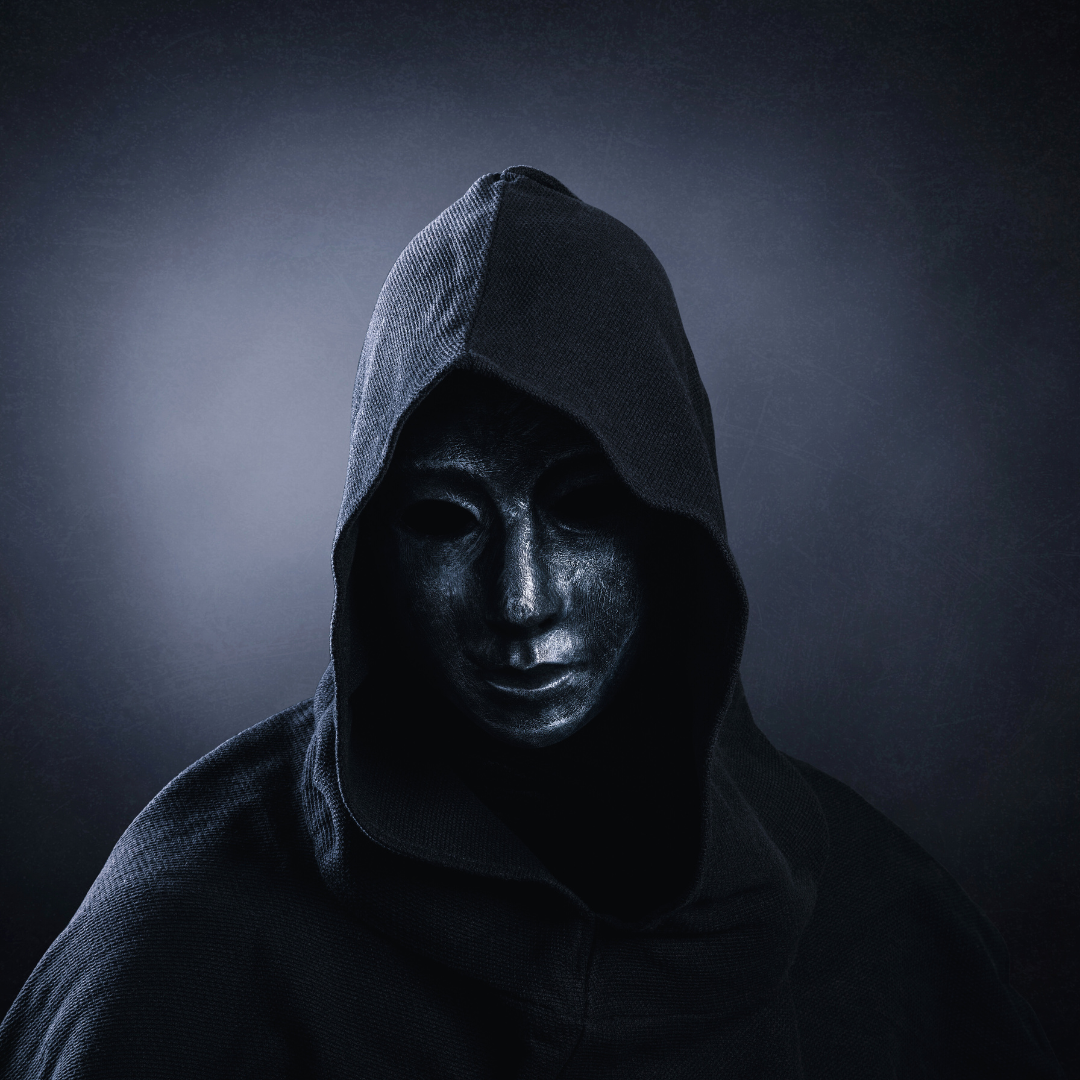
Why Anti-Heroes Are So Popular in Modern Storytelling and Culture
Anti-heroes captivate audiences because they challenge traditional ideas of heroism. Unlike classic heroes, they possess flaws and questionable morals, making them more relatable and complex. Their appeal lies in showing that people can be both good and bad, which mirrors real life. People are drawn to anti-heroes because they often face moral dilemmas and live…
Anti-heroes captivate audiences because they challenge traditional ideas of heroism. Unlike classic heroes, they possess flaws and questionable morals, making them more relatable and complex. Their appeal lies in showing that people can be both good and bad, which mirrors real life.
People are drawn to anti-heroes because they often face moral dilemmas and live with the consequences of their actions. This struggle creates deeper, more nuanced storytelling. The unpredictability of anti-heroes keeps viewers engaged and invested in their journey.
Understanding Anti-Heroes and Their Distinction from Heroes
Anti-heroes differ significantly from traditional heroes in attitude, behavior, and motivation. Their moral complexity and flawed traits challenge conventional notions of good and evil. This section explores what defines anti-heroes, highlights contrasts with heroes, and explains how moral ambiguity shapes their depth.
Defining Anti-Heroes and Their Core Traits
Anti-heroes typically lack conventional heroic qualities like idealism, courage, and morality. They often display selfishness, cynicism, or flawed decision-making. Despite these traits, they remain central protagonists, driving stories through their internal conflicts and unconventional methods.
These characters resist clear categorization as purely good or bad. Their actions mix heroism and wrongdoing, creating a layered persona. Examples include Walter White from Breaking Bad or Tony Soprano from The Sopranos, who operate in moral gray areas.
Core traits include:
- Moral complexity
- Reluctance or indifference to conventional heroism
- Personal flaws and vulnerabilities
- Ambiguous motivations
These traits make anti-heroes relatable yet unpredictable.
Heroes Versus Anti-Heroes: Fundamental Differences
Heroes typically embody clear moral values and prioritize the greater good. They usually display consistency in ethical behavior and inspire trust through their courage and integrity.
In contrast, anti-heroes often pursue personal goals, sometimes clashing with societal norms or ethical codes. Their motivations may include revenge, survival, or self-interest rather than altruism. Unlike heroes who lead by example, anti-heroes are frequently flawed, pragmatic, and conflicted.
|
Aspect |
Hero |
Anti-Hero |
|
Moral Code |
Clear and positive |
Ambiguous and flexible |
|
Motivation |
Altruism and justice |
Self-interest or complex motives |
|
Behavior |
Noble and consistent |
Flawed and unpredictable |
|
Audience Relation |
Admiration and inspiration |
Sympathy mixed with critique |
This contrast defines the distinct narrative and emotional roles they play.
The Role of Moral Ambiguity in Character Complexity
Moral ambiguity is central to the appeal of anti-heroes. It allows characters to act outside traditional definitions of good and evil, making their choices and consequences more unpredictable.
This complexity engages audiences by reflecting real human conflicts and ethical dilemmas. Anti-heroes challenge viewers to question assumptions about right and wrong and consider the cost of their actions.
Through this gray zone, characters become emotionally richer and more dynamic. The uncertainty surrounding their morality adds tension and depth, distinguishing them from one-dimensional heroes.
The Psychology and Appeal Behind Anti-Hero Popularity
Anti-heroes captivate audiences by creating complex emotional experiences and challenging traditional ideas of right and wrong. Their flaws, struggles, and moral ambiguity allow viewers to engage with stories that feel more realistic and layered. This appeal taps into deep psychological needs and cultural shifts in perceptions of justice.
Emotional Connection and Audience Empathy
Anti-heroes like Walter White and Tony Soprano evoke empathy despite their questionable actions. Audiences connect with their human vulnerabilities rather than just their heroic qualities. This connection is rooted in recognizing internal struggles that mirror real-life complexity and imperfection.
Their emotional turmoil and contradictions create a sense of authenticity. People often see a reflection of their own flaws and difficult choices in these characters, making the storytelling more compelling and impactful.
Relatability Through Flaws and Internal Conflict
Unlike traditional heroes, anti-heroes are marked by significant flaws and internal conflicts. These imperfections make them relatable to audiences who understand the difficulty of making moral decisions in an imperfect world. Their hesitation, guilt, and frustration add layers to the narrative.
The presence of doubt and personal battles makes anti-heroes more believable. Their journeys feel less like fairy tales and more like genuine human experiences. This relatability sustains long-term viewer interest and investment in the character’s development.
Wish Fulfillment and Breaking Societal Norms
Anti-heroes often fulfill a desire to break free from societal constraints. They challenge legal and moral codes, providing a form of escapism through the pursuit of personal justice or power outside the accepted norms.
This offers audiences the thrill of rebellion safely through storytelling. Viewers see characters navigate and sometimes subvert justice in ways they might consider impossible or unacceptable in real life, creating a complex form of wish fulfillment.
Curiosity About Unconventional Justice
Anti-heroes reflect society’s shifting views on justice. Their actions force audiences to question what true justice means beyond black-and-white laws. Stories featuring these characters explore moral gray areas and the consequences of taking justice into one’s own hands.
This curiosity drives interest in narratives where the protagonist operates outside institutional rules. It invites discussion about fairness, punishment, and redemption in a nuanced way that traditional heroes rarely provoke.
Anti-Heroes in Modern Media and Popular Culture
Anti-heroes have reshaped storytelling across various platforms, challenging traditional hero archetypes. Their complex morality appeals to audiences by reflecting realistic struggles and societal tensions, often provoking critical thought about right and wrong.
Impact of Anti-Heroes on Television and Film
Television series like Breaking Bad have pioneered the rise of anti-heroes by placing complicated characters at the center of narratives. Walter White’s transformation from a mild-mannered teacher to a ruthless drug manufacturer demonstrates how audiences are drawn to morally ambiguous figures.
Films and shows featuring anti-heroes often explore darker themes, allowing viewers to witness flawed decision-making and moral conflict. This approach drives engagement by making characters unpredictable and relatable, transcending traditional good-versus-evil storytelling.
The Influence of Comic Books and Graphic Novels
Comic books introduced anti-heroes such as Batman and Wolverine, who operate outside strict moral boundaries. Graphic novels expanded this with characters like Harley Quinn, who blur the line between villainy and sympathy, adding layers of psychological complexity.
These mediums popularized anti-heroes by showcasing their internal conflicts and unconventional methods. Their popularity influenced mainstream media, encouraging diverse portrayals that emphasize complexity over clear-cut heroism.
Iconic Anti-Heroes: Walter White, Tony Soprano, and Others
Characters like Walter White and Tony Soprano define the modern anti-hero in television. Both navigate personal morality against criminal actions, creating tension between empathy and condemnation. Their complexity invites audiences to question the nature of justice and identity.
Other figures, like Harley Quinn in comic culture, amplify the appeal of anti-heroes by mixing charm with menace. These characters maintain cultural relevance by evolving alongside societal concerns and media trends.
Anti-Heroes as Reflections of Societal Values
Anti-heroes often mirror cultural anxieties and shifting values. They embody the complexity of modern life where ethical clarity is rare, reflecting societal skepticism toward authority and traditional norms.
Their popularity signals an appetite for stories that challenge binary thinking, encouraging viewers to engage with nuanced perspectives on morality, power, and consequence. This makes anti-heroes a persistent feature of contemporary storytelling.
The Evolution of the Anti-Hero: Comic Books and Beyond
Anti-heroes have shifted from flawed protagonists in early literature to complex characters dominating comics and popular media. This evolution reflects changing cultural attitudes and storytelling styles, highlighting moral ambiguity and personal struggle.
Early Anti-Heroes and Their Origins
The concept of the anti-hero dates back to classical literature with figures like Shakespeare’s Hamlet, who showed internal conflict and moral ambiguity. These characters often lacked traditional heroic traits such as honor or bravery, but remained central to the narrative.
In early 20th-century literature, anti-heroes embodied rebellion and complexity, offering an alternative to idealized heroes. They conveyed flawed humanity, struggling between right and wrong without clear answers, setting the foundation for later depictions in popular media.
Emergence in Comic Books: Batman, Spawn, and Deadpool
Comic books introduced anti-heroes who operated in moral gray zones. Batman, debuting in 1939, is driven by trauma and uses fear rather than superpowers, blurring lines between heroism and vigilantism.
Spawn, created in the early 1990s, exemplifies dark anti-heroism, a former assassin returning from hell with ambiguous motives and violent methods. Deadpool stands out as an anti-hero who breaks the fourth wall, mixing humor, chaos, and a personal code outside classic hero ethics.
These characters reflect the growing acceptance of flawed protagonists who challenge traditional heroic ideals while captivating audiences with complexity.
Modern Interpretations: Wolverine and Harley Quinn
Wolverine embodies the conflicted anti-hero with his violent past and reluctant heroism. His mutant healing powers and aggressive nature contrast with moments of deep loyalty and morality, making him a symbol of internal struggle.
Harley Quinn evolved from a villain’s sidekick to a standalone anti-heroine. Her unpredictable, chaotic personality, paired with moments of vulnerability, has expanded the definition of anti-heroism, especially for female characters in comics.
Both characters highlight a trend towards exploring nuanced identities and motivations, reinforcing the importance of flawed but relatable figures in modern storytelling.