
Spatial Audio Technology Is Redefining Cinematic Sound Design
Discover how spatial audio technology in modern cinematic sound design is transforming the way filmmakers craft immersive, three-dimensional audio experiences f
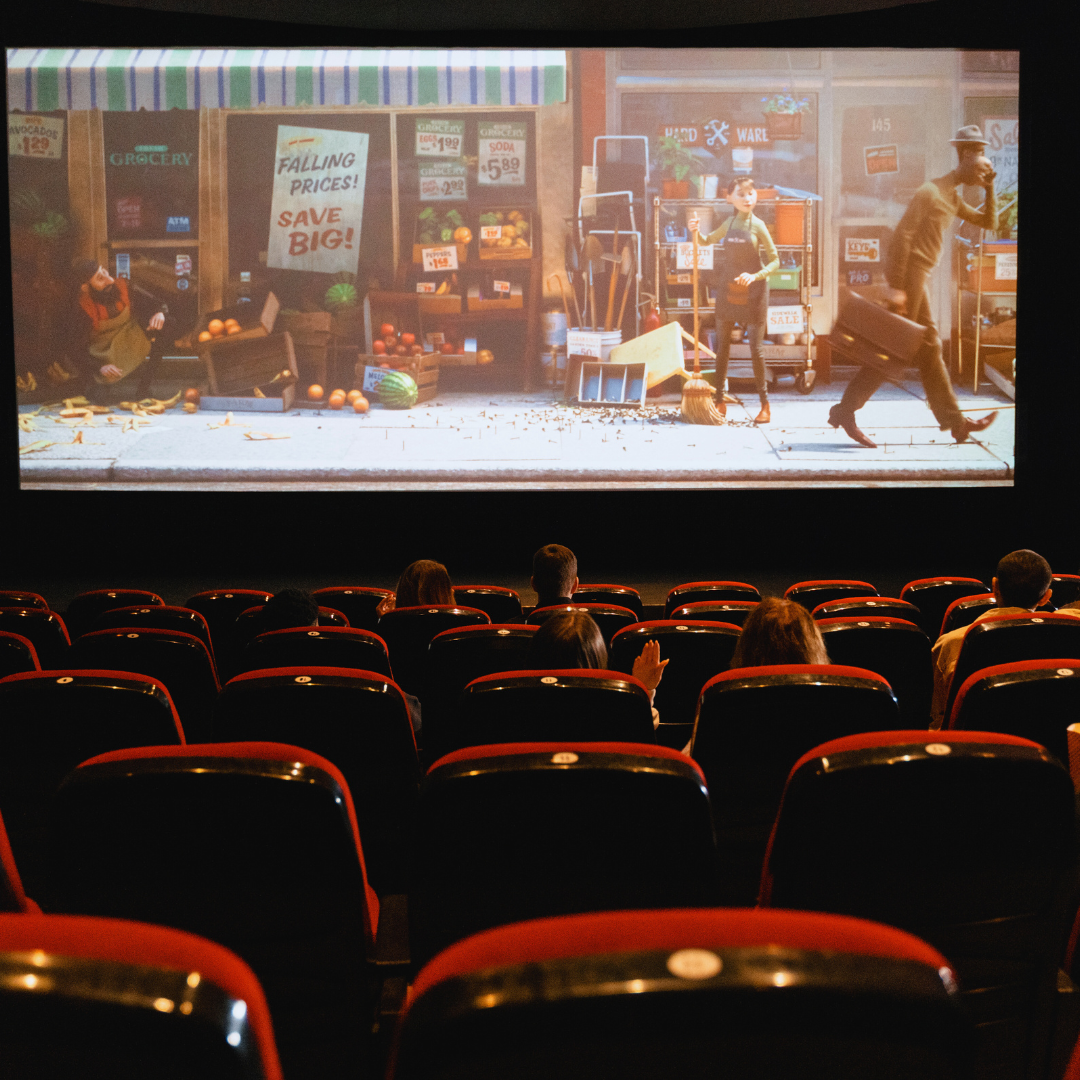
Sound has always been the secret weapon of great filmmaking. While audiences are quick to praise stunning visuals or a gripping screenplay, the sonic experience working beneath the surface is often what separates a film that feels good from one that feels utterly immersive. In recent years, spatial audio technology has fundamentally changed how sound designers approach their craft — and the results are reshaping what moviegoers experience in theaters, living rooms, and even through their headphones.
This isn’t just an incremental upgrade. Spatial audio represents a genuine paradigm shift in cinematic sound design, giving filmmakers tools to place sound in three-dimensional space with a precision that wasn’t possible even a decade ago. From the sweeping battle sequences of blockbuster epics to the quiet, unsettling creaks of a psychological thriller, spatial audio is making every sonic detail count in ways that feel almost tactile.
What Is Spatial Audio and How Does It Actually Work?
Spatial audio is an umbrella term for technologies and techniques that create the perception of sound existing in a three-dimensional environment around the listener. Rather than simply panning audio left or right across a stereo field, spatial audio systems place sounds above, below, in front of, and behind the listener — mimicking the way human ears naturally process sound in the real world.
The science behind it draws on a concept called Head-Related Transfer Functions, or HRTFs. These are essentially mathematical models of how sound waves interact with the unique shape of a person’s ears, head, and torso before reaching the eardrums. When these subtle acoustic cues are replicated digitally, the brain interprets the result as sounds existing in actual space rather than just coming from speakers.
There are several approaches to delivering spatial audio in cinematic contexts:
- Channel-based audio: The traditional surround sound model (5.1, 7.1) where audio is assigned to specific speaker channels.
- Object-based audio: Sound elements are treated as independent objects with their own positional metadata, allowing playback systems to render them dynamically based on the speaker configuration available.
- Ambisonics: A full-sphere surround sound technique that captures and reproduces audio from all directions simultaneously, often used in VR and immersive content.
Spatial Audio vs. Dolby Atmos: What’s the Difference?
This question comes up constantly, and it’s worth addressing clearly. Dolby Atmos is a specific implementation of spatial audio — one of the most widely adopted in cinema and home entertainment. It uses object-based audio to allow sound designers to place and move sounds anywhere in a three-dimensional space, including overhead channels, which was a significant leap beyond traditional surround formats.
Spatial audio, by contrast, is the broader concept. Dolby Atmos is one platform within that space; others include DTS:X, Sony 360 Reality Audio, and Auro-3D. Each has its own encoding method and playback ecosystem, but all share the fundamental goal of creating a convincing three-dimensional soundscape. When people ask whether Dolby Atmos is better than spatial audio, they’re somewhat comparing a brand to the category it belongs to — like asking whether a Ford is better than a car.
The Three Main Elements of Cinematic Sound Design
Understanding how spatial audio fits into filmmaking requires some grounding in how cinematic sound design works at a foundational level. The discipline typically revolves around three core elements:
- Dialogue: The spoken word — including ADR (automated dialogue replacement) — is almost always the anchor of a film’s audio mix. Audiences need to understand characters, and dialogue clarity is paramount.
- Sound effects: This includes everything from Foley (the art of recording everyday sounds in sync with picture) to hard effects like explosions, doors, and ambient environmental sounds. These elements provide texture and realism.
- Music: The score and any source music (music that exists within the film’s world) work emotionally, guiding audience response and underscoring narrative beats.
Spatial audio technology enhances all three elements. Dialogue can be anchored to an actor’s position on screen with far greater accuracy. Sound effects can be mixed to move realistically through space — a helicopter doesn’t just pan left to right but can pass overhead in a convincing arc. And music, particularly when composed with spatial delivery in mind, can envelop the audience in a way that elevates emotional impact dramatically.
Is Spatial Audio Actually Better? A Honest Look
The short answer is: yes, in most cinematic contexts, spatial audio genuinely enhances the experience — but with some important caveats. When content is properly mixed for spatial formats and played back on a capable system, the improvement in immersion and depth is substantial. Studies and listener preference tests have consistently shown that spatial audio mixes create stronger feelings of presence and engagement compared to traditional stereo.
However, the experience is highly dependent on playback quality. A poorly implemented spatial mix listened to through budget earbuds can actually feel worse than a well-crafted stereo mix. The technology works best when the entire chain — from the mixing stage to the playback device — is designed with spatial audio in mind.
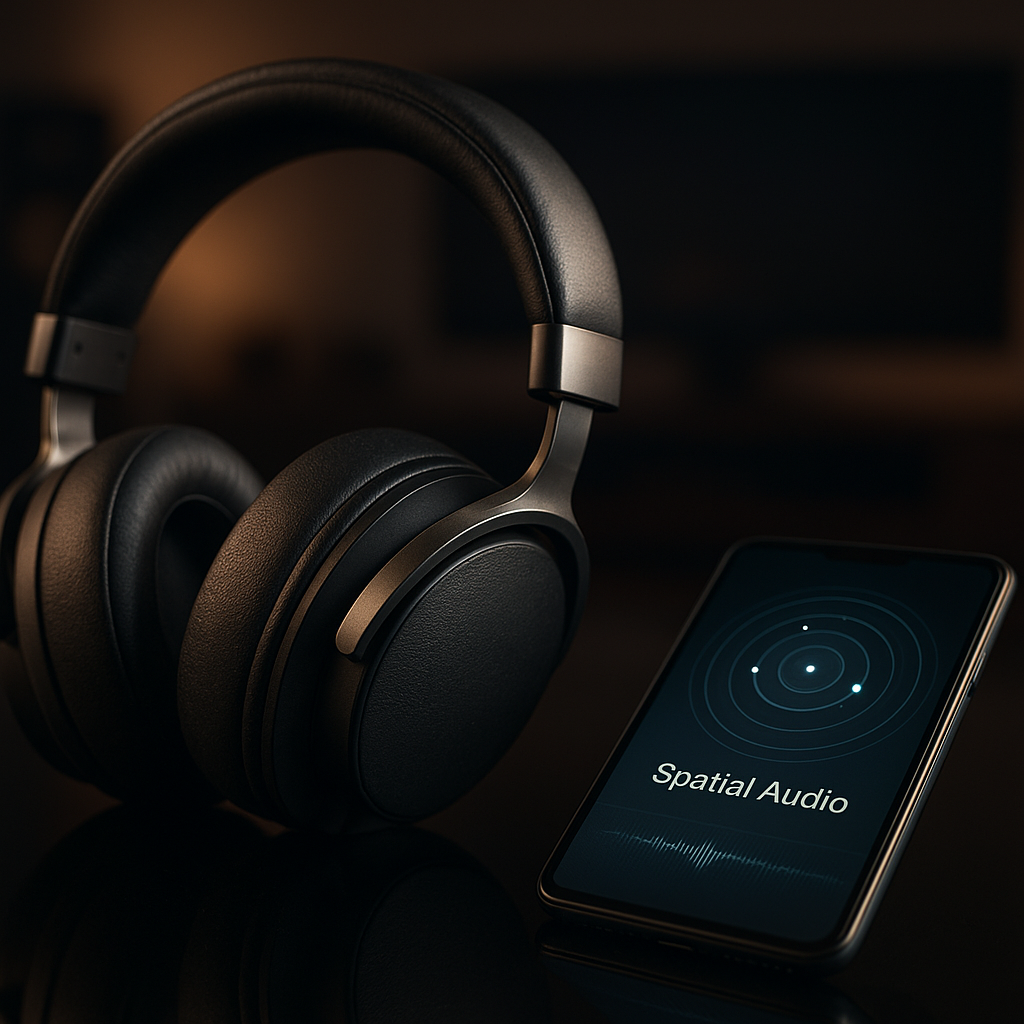
For headphone users, features like head tracking (used in Apple’s implementation for AirPods) add another layer of realism by adjusting the audio field as the listener moves their head, maintaining the illusion that sound sources are fixed in space rather than moving with the listener’s head rotation. The debate between fixed spatial audio and head-tracked spatial audio comes down to preference and use case. Head tracking works brilliantly for cinematic content where you want sounds anchored to the screen; fixed mode tends to suit music listening where the soundstage should feel consistent regardless of head position.
Spatial Audio in Streaming: Which Netflix Movies Use It?
The adoption of spatial audio on streaming platforms has been one of the most significant drivers of mainstream awareness. Netflix has invested heavily in Dolby Atmos, and a growing library of its original content is now available in immersive audio formats. Notable titles include Extraction, The Gray Man, Don’t Look Up, Squid Game, and Stranger Things, all of which feature full Dolby Atmos mixes that were designed from the ground up for spatial delivery.
Apple TV+ has similarly embraced the format, with nearly all of its original productions — including Ted Lasso, Severance, and The Morning Show — delivered in Dolby Atmos. Disney+ carries spatial audio for most Marvel and Star Wars content, which makes sense given how much those franchises depend on rich, layered soundscapes. The availability of spatial audio on these platforms isn’t just a bonus feature anymore; it’s quickly becoming an expected standard for premium content.
How Sound Designers Are Changing Their Workflow
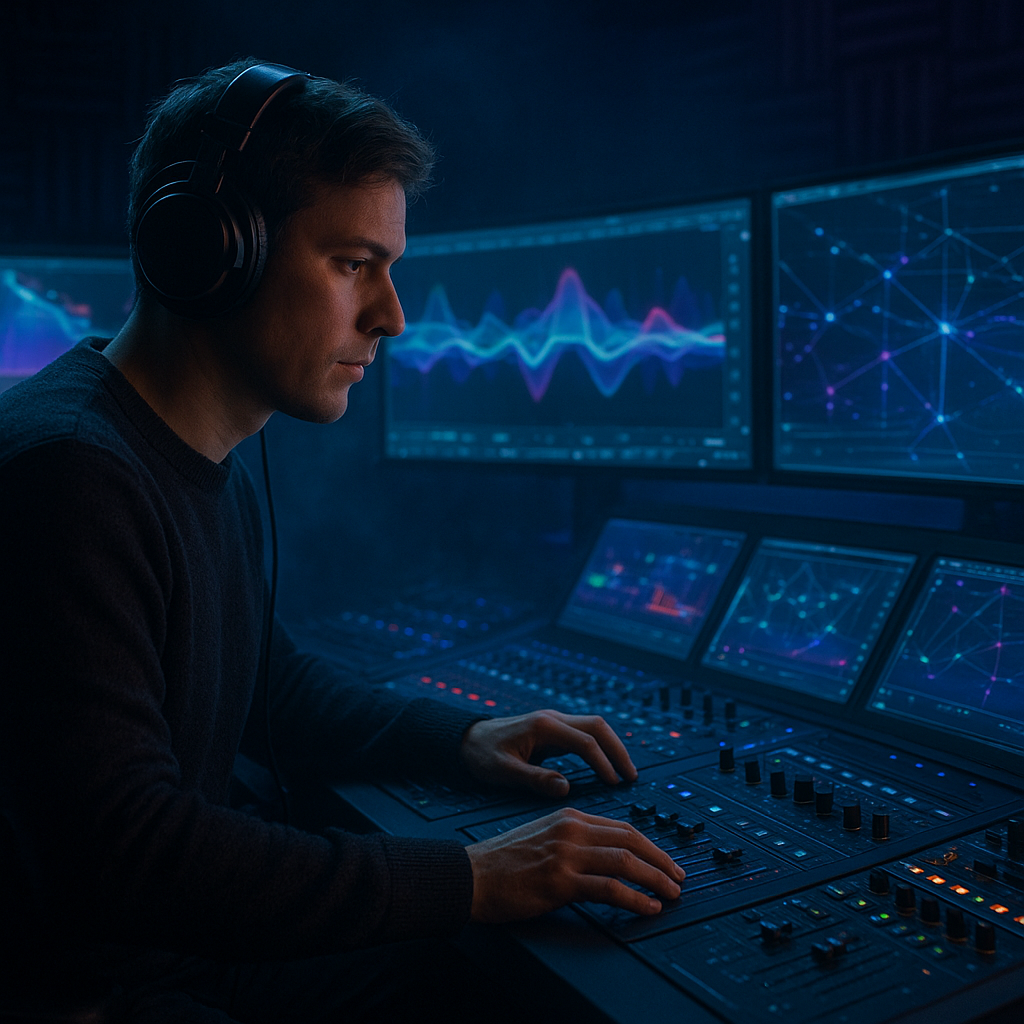
The introduction of object-based audio tools has required sound designers and re-recording mixers to rethink their approach from the earliest stages of a project. In a traditional 5.1 mix, a designer works with a relatively fixed speaker configuration and channels. With Dolby Atmos or similar formats, they’re instead thinking about sounds as objects with X, Y, and Z coordinates — and those coordinates need to feel motivated by what’s happening on screen.
This has led to more collaboration earlier in the filmmaking process. Sound supervisors are increasingly part of pre-production conversations, working with directors to identify how spatial audio can serve the story rather than just add technical novelty. The best spatial mixes aren’t the ones that show off the technology most aggressively — they’re the ones where the three-dimensionality of the sound invisibly reinforces the emotional and narrative experience.
Tools like iZotope’s suite of audio production software, Nuendo, and Pro Tools Ultimate with Atmos support have given mixers increasingly sophisticated ways to visualize and render spatial audio environments. Real-time object tracking, binaural rendering for headphone delivery, and AI-assisted upmixing from stereo sources are all becoming standard parts of the professional sound designer’s toolkit.
Practical Examples of Spatial Audio Done Right
Abstract technology discussions only go so far. Here are some concrete examples of spatial audio making a real difference in cinematic experiences:
- Arrival (2016): Jóhann Jóhannsson’s score, combined with meticulous sound design, used spatial techniques to create the alien heptapods’ communication sounds as something truly enveloping — sounds that seemed to exist all around and inside the listener.
- Mad Max: Fury Road (2015): The film’s Oscar-winning sound mix used spatial placement to build a chaotic yet precisely controlled sonic landscape across the desert chase sequences, with vehicles, weapons, and environmental sounds distributed across a full spatial field.
- 1917 (2019): Designed to feel like a single continuous take, the film’s spatial audio mix created an unbroken sense of physical space and geography that reinforced the immersive visual style.
The Future of Spatial Audio in Cinema and Beyond
Looking ahead, several developments are set to push spatial audio technology even further into mainstream filmmaking and consumption. Personalized HRTFs — where a device learns the specific acoustic profile of an individual user’s ears — promise to make headphone-based spatial audio far more convincing for a wider range of listeners. Currently, generic HRTF models work well for many people but feel inconsistent for others; personalization could solve that variability entirely.
The rise of virtual production environments (LED volume stages used in productions like The Mandalorian) is also creating interesting overlap between spatial audio design and immersive visual environments. When actors are performing in front of dynamic LED backgrounds, matching the audio environment to that virtual space in real time opens entirely new creative possibilities for sound designers.
Additionally, as augmented and mixed reality devices become more capable, the spatial audio techniques refined in cinema are finding new applications in entertainment, gaming, and communication — creating a feedback loop where innovations in one domain accelerate progress in others.
Conclusion
Spatial audio technology has moved well beyond being a novelty or a premium upsell. It’s now a core part of how ambitious filmmakers communicate their stories, build worlds, and guide emotional responses. By giving sound designers the ability to place audio in genuinely three-dimensional space — and by making that experience accessible through streaming platforms, headphones, and home theater systems — the technology is democratizing immersive sound in ways that were unimaginable even a generation ago.
The three pillars of cinematic sound design — dialogue, sound effects, and music — are all enhanced by spatial approaches, and the best implementations are those where the technology serves the story rather than distracting from it. Whether experienced through a full Dolby Atmos home theater setup, a pair of AirPods Pro with head tracking, or a cinema with overhead speakers, spatial audio is redefining what it means for a film to truly sound great. As the tools become more sophisticated and the content library grows, the gap between what audiences heard in the golden age of cinema and what they’ll experience in the near future will only continue to widen.